Premium Car Replacement Components for All Vehicle
Premium auto replacement parts are crucial in maintaining vehicle functionality and longevity. These components are engineered with accuracy and made from high-quality materials, setting them apart from standard options. Their benefits go beyond mere reliability; they can enhance fuel efficiency and improve safety. However, the differences between premium and standard parts often raise questions. Understanding these distinctions is vital for any vehicle owner considering an upgrade. What factors should be considered in this decision?
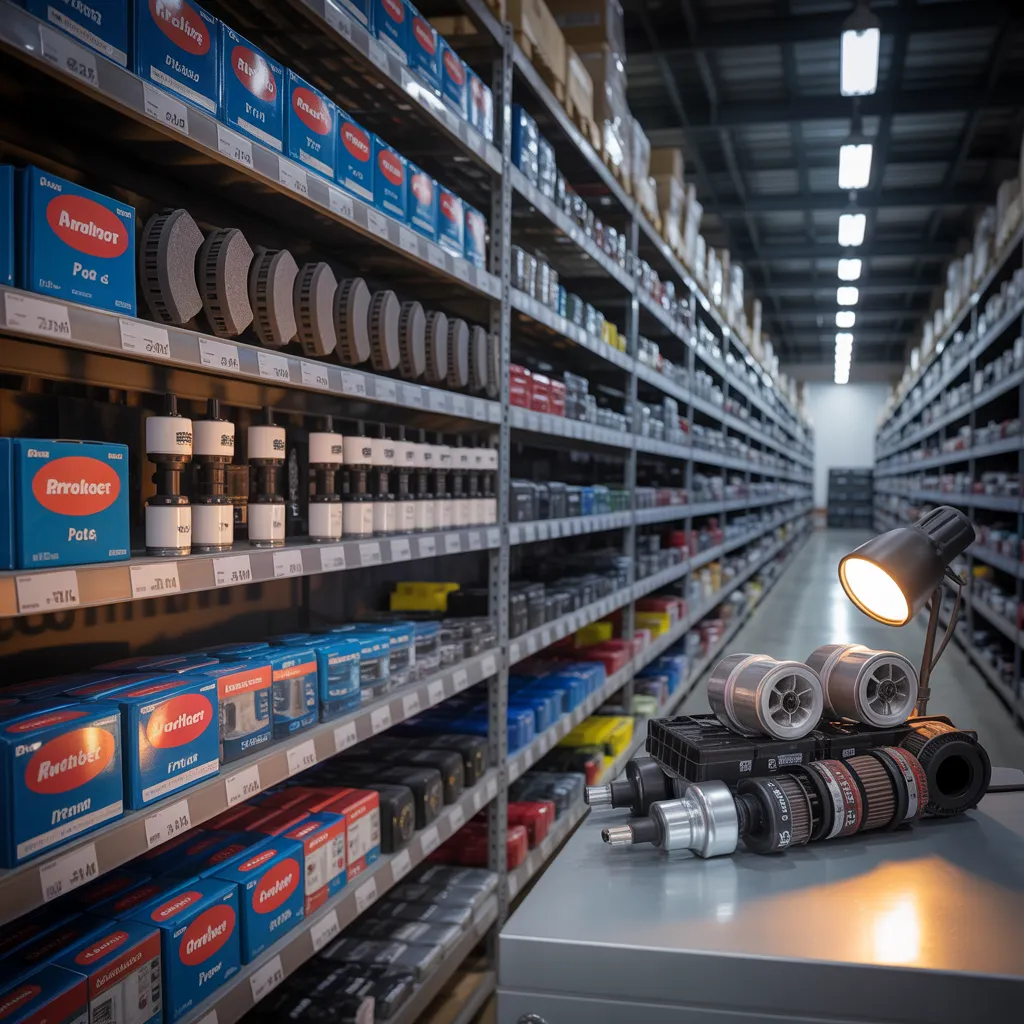
Why Pick Premium Auto Car Parts Is Essential)
When reviewing auto replacement parts, one might wonder the advantages of choosing premium alternatives. Premium auto replacement parts are commonly manufactured under enhanced quality control standards, providing improved durability and trustworthiness. These parts often use better materials that can resist wear and tear, leading to enhanced performance and longevity.
Moreover, high-grade parts commonly feature enhanced warranties, granting consumers peace of mind. The advanced engineering behind these components results in smoother operation, reduced noise, and improved fuel efficiency.
Furthermore, choosing premium parts can increase the overall value of the vehicle, particularly for resale. While the initial investment is higher, the long-term savings from reduced maintenance and fewer replacements can be advantageous. To conclude, premium auto replacement parts provide significant advantages that can improve vehicle performance and longevity.
The Primary Differences Between Deluxe and Standard Parts
While both top-tier and regular auto replacement parts fulfill the same fundamental purpose, they vary greatly in quality, durability, and performance. Premium parts are typically produced from higher-grade materials and utilize advanced manufacturing techniques, resulting in greater longevity and reliability. This allows them to withstand tougher driving conditions and maintain performance over time. Conversely, standard parts often use lesser materials, which can reduce their durability and require more frequent replacements.
Additionally, high-quality parts are typically crafted precisely and may incorporate innovative technology, offering improved functionality and compatibility with specific vehicle models. Standard parts, essential resource while functional, might not provide the same level of fit or efficiency. Consequently, consumers often find that investing in premium parts leads to fewer issues in the long run, reducing maintenance costs and ensuring a more comfortable driving experience. Understanding these differences can help vehicle owners make educated decisions regarding their replacement part choices.
Why Premium Auto Parts Are Worth the Investment
Investing in top-notch auto parts can greatly improve vehicle functionality and longevity. Premium parts are engineered to fulfill or exceed OEM specifications, ensuring a perfect fit and reliable function. This exactness minimizes the risk of premature wear and possible failures, avoiding costly repairs later on. Additionally, quality components often incorporate superior materials that fight against corrosion and damage, further lengthening the lifespan of the vehicle.
How to find top-quality Auto Parts?
When acquiring top-notch auto parts, consumers frequently use both online retailers and local auto shops. Online platforms provide a vast selection and comfort, whereas local shops offer bespoke service and immediate availability. Each option gives unique advantages, making it vital for buyers to evaluate their distinct needs.
Web Retailers
The way vehicle owners approach maintenance and repairs has been transformed by finding top-quality auto parts online. With a variety of online retailers available, consumers have access to a large selection of parts from the convenience of home. Websites such as RockAuto, AutoZone, and Amazon provide extensive descriptions, customer reviews, and affordable pricing, which helps buyers to make informed purchasing decisions. Many online retailers supply specialty parts for different makes and models, ensuring both compatibility and quality. Plus, the benefit of home delivery eliminates the need for lengthy trips to brick-and-mortar locations. By tapping into the power of online platforms, vehicle owners can easily compare their choices, find high-grade parts, and frequently benefit from warranties, enhancing their overall buying experience.
Nearby Auto Maintenance Centers
Local automotive repair centers serve as a dependable alternative for procurement of top-quality auto parts, offering vehicle owners bespoke service and expert advice. These facilities generally carry a wide range of components, from essential engine parts to specialized accessories, catering to various vehicle makes and models. Also, many local shops have well-informed personnel who can assist with selecting the right parts and troubleshooting potential issues. Supporting these businesses contributes to the local economy, fostering community spirit. Moreover, local auto shops frequently provide valuable expert advice related to installation and maintenance, ensuring customers get thorough support. For those who prefer a more hands-on approach, local shops are an important resource for quality auto parts.
Leading Brands for Premium Auto Parts You Can Count On
A chosen few brands consistently stand out in the domain of high-quality auto replacement parts, securing the trust of both professionals and enthusiasts alike. Among these, Bosch is renowned for its accurate components, particularly in electrical and fuel systems. Another prominent name, ACDelco, offers a broad range of reliable parts, providing compatibility with multiple vehicle makes and models.
For suspension and steering components, Moog is often lauded for its cutting-edge designs and durability. Individuals searching for engine parts reliably opt for Fel-Pro, esteemed for its first-rate gaskets and seals. Also, Duralast is well-liked for its comprehensive collection of brake pads and rotors, bringing both functionality and longevity.
These brands have built a reputation for quality and dependability, making them preferred choices for anyone seeking high-quality auto parts that stand the test of time.
Debunking Misconceptions About Premium Auto Parts
Which misconceptions surround premium auto parts, and how do they impact consumer decisions? Many consumers assume that premium parts are just overpriced alternatives to standard options. This common misconception can cause an unjustified reluctance to invest in superior components, leading often to poor repairs and increased long-term expenses. Another frequent misconception is that all premium parts are produced by the same brands, overlooking the difference in quality and performance among manufacturers. In addition, some consumers think that premium parts aren’t necessary for everyday vehicles, not recognizing that they can boost reliability and safety regardless of the make or model. Lastly, the belief that premium parts offer no significant benefits over standard options may discourage consumers from making well-informed decisions. By tackling these myths, consumers can better understand the value of investing in premium auto parts, guaranteeing peak vehicle performance and longevity.
How to Find High-Quality Components for Your Vehicle
Understanding how to identify quality parts for a vehicle is essential, particularly in light of the misconceptions surrounding premium auto parts. First, one should research the manufacturer's reputation. Established brands often maintain higher standards in production and materials. Additionally, checking for certifications and compliance with industry standards can signal quality; parts meeting ISO or SAE standards are generally more reliable.
In addition, inspecting the elements used in construction is necessary. High-grade steel or fortified composites generally outperform more affordable alternatives. Reviews and testimonials from other consumers offer real-world perspectives on the durability and performance of certain components.
Lastly, when possible, consult a trusted mechanic. Their capability can guide judgments based on practice with various brands and parts. By applying these strategies, vehicle owners can make sound decisions, ensuring they invest in reliable parts that enhance performance and safety.
Often Raised Questions
Are High-Quality Auto Parts Suitable Across All Vehicle Manufacturers and Models?
Premium automotive parts are not commonly compatible with every vehicle make and model. Every component needs to be specifically designed to fit the intended vehicle, necessitating precise evaluation to ensure peak performance and reliability. Compatibility differs considerably.
How do I find out if a piece is genuinely top-tier?
To verify if a element qualifies as premium, one must assess endorsements, manufacturer reputation, fabric quality, guarantee provisions, and customer reviews. These considerations in combination highlight durability, operation, and alignment with defined vehicle needs.
What Kind of Warranty is Usually Offered on Premium Parts?
Typically, high-grade auto parts come with warranties that range from one to five years, based on the manufacturer. These warranties often include defects in materials and workmanship, offering assurance of quality and trustworthiness to consumers.
Can I put in top-tier components on my own, or do I need a expert?
Installing premium parts independently is feasible for those possessing ample technical knowledge and experience. However, seeking professional assistance is advisable to ensure proper installation, avoid potential issues, and maintain warranty coverage, improving overall vehicle performance and safety.
Can You Find Specific Upkeep Advice for Cars That Have Premium Parts?
Consistent evaluations, proper cleaning, and sticking to factory guidelines are important for vehicles with premium parts. In addition, using high-quality fluids and setting up frequent maintenance can contribute to peak performance and prolonged longevity of these components.